5 Red Flags That Reveal Your Failing Bridgework Cannot Be Saved by Simple Fillings
All-on-6 dental implants offer a permanent smile restoration. Using dental implants to replace a failing bridge provides a stable alternative when traditional dental work no longer meets your needs.
According to VeryWellHealth, a dental bridge is considered permanent because it is fixed in place. However, the average dental bridge lasts only 10 years before needing replacement, making it a temporary fix.
Many people rely on dental bridges for their functional and aesthetic benefits, but what happens when these bridges start to fail? Recognizing the 5 red-flag signs that your bridgework might require a more extensive solution is key to effective treatment from a dentist in Fayetteville, NC.
What Is the Difference Between Dental Bridges and All-on-6 Implants?
Fortune Business Insights projects that the U.S. dental implants market will reach $1.48 billion in 2026. This accounts for 27.9% of the global market.
Dental bridges are designed to fill gaps caused by missing teeth. They provide support to surrounding teeth.
A dental bridge improves biting and chewing. Bridges can develop structural issues over time due to wear and tear.
Both dental bridges and All-on-6 implants enhance the aesthetics of your smile. But only dental implants offer a more permanent smile restoration solution for issues like:
- Advanced bone loss
- Chronic tooth mobility
- Failing bridge replacement
Successful implant healing relies on a skilled dentist in Fayetteville, NC, who can help you navigate these problems.
1. Visible Decay Around the Bridge
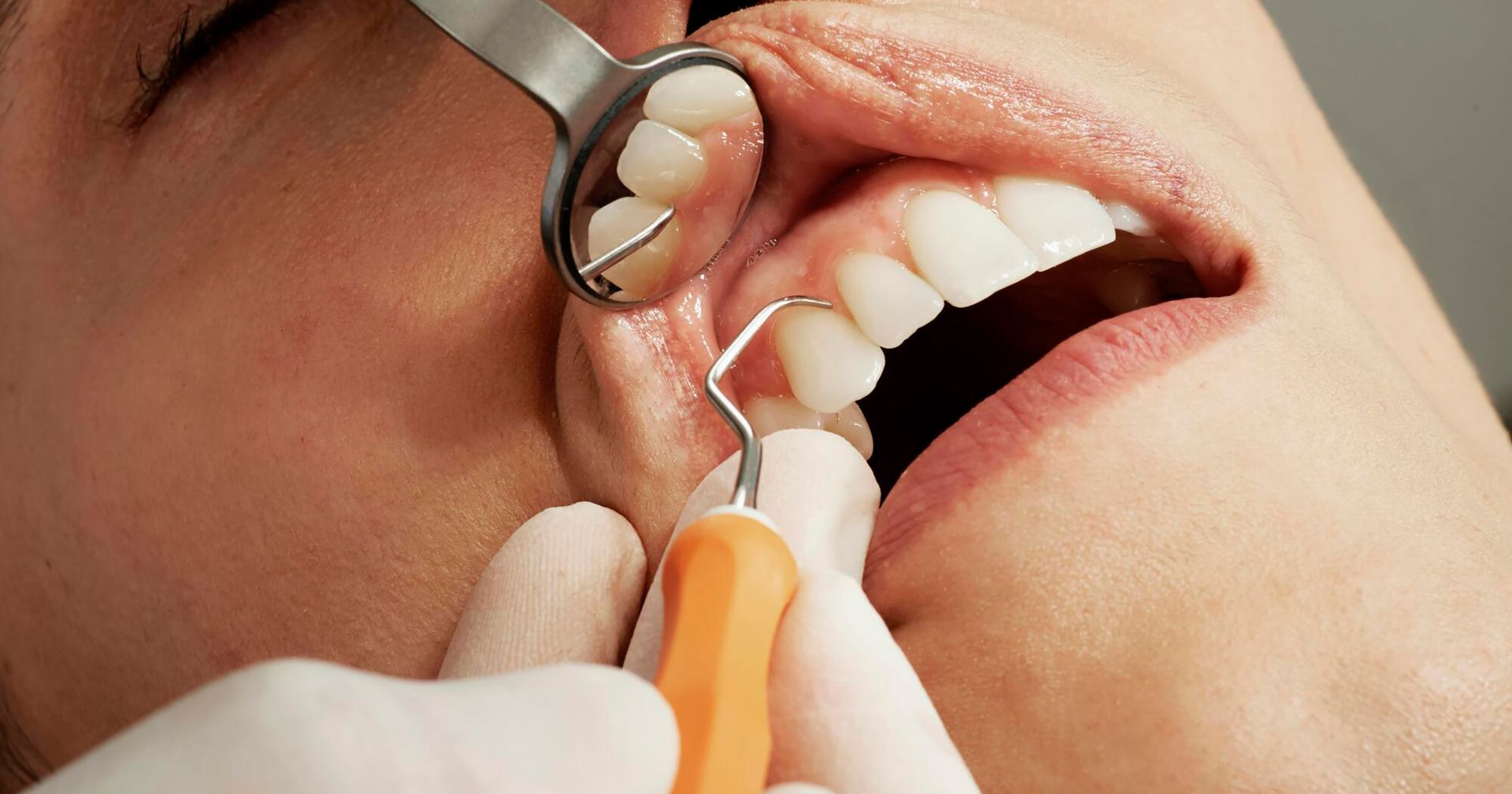
One of the most alarming signs is visible decay around the bridge. If you see discoloration or feel a rough texture where your bridge meets your natural teeth, this might indicate that the supporting teeth are deteriorating.
Ignoring this issue could lead to further complications, requiring more than just a simple filling.
2. Sensitivity to Hot or Cold
Sudden sensitivity to temperature changes could be a sign that the dental bridge is not properly bonding with the underlying teeth.
It often indicates that decay has started to compromise the dental work and reach the nerves. A dental evaluation can identify the cause of sensitivity and assess the bridge's condition.
3. Loose or Shifting Bridge
A stable bridge is essential for both function and comfort. If you begin to notice looseness or shifting, this is a serious concern.
Shifting confirms the supporting structures are weakening. Replacing the entire bridge is a better fix rather than a patch-up.
4. Difficulty Chewing or Biting
Pain or discomfort when biting into food often signals that your bridgework is not functioning properly. It causes strain on your mouth and jaw.
Even small difficulties with normal chewing can lead to chronic dental issues.
5. Chronic Bad Breath or Gum Inflammation
Chronic bad breath or persistent gum inflammation around your bridge points to an underlying infection or decay beneath the surface.
Experiencing bad breath could lead to more serious gum disease. Addressing these signs early prevents the need for more extensive treatments later.
Take Charge of Your Dental Health at Cross Creek Dental in Fayetteville, NC, Today
All-on-6 implants offer a stable solution when failing dental work no longer provides reliable support. Recognizing the signs of failing dental work is crucial in maintaining your health and well-being.
Cross Creek Dental specializes in comprehensive dental services tailored to your needs. With years of experience, our compassionate dentist in Fayetteville, NC, is ready to help you achieve a healthy smile.
Contact Cross Creek Dental to schedule your appointment today.