Can Chronic Daytime Teeth Grinding During High-Stress Commutes Cause Existing Fillings to Crack Open?
Is a high-stress commute destroying your old fillings? Learn how a local dentist identifies structural micro-fractures before a tooth splits.
Chronic daytime teeth grinding can place enough repeated pressure on teeth to weaken or even crack existing fillings over time. Stress-related clenching during long or frustrating commutes may not cause immediate damage. Still, it can create tiny fractures in both teeth and restorations, leading to sensitivity, loose fillings, and the need for dental treatment. Seeing a local dentist early can help identify these problems before they become more serious.
A 2024 NIH study found that awake bruxism affects about 23% of people worldwide, highlighting how common daytime teeth grinding can be. If you often catch yourself clenching your jaw during stressful drives, your teeth could be absorbing far more force than they were designed to handle.
Dental Health and Stress Are Interlinked
It is important to understand how stress can manifest physically in our bodies. Stress-induced teeth grinding is a common response to ongoing tension. While we often attribute stress to emotional and mental fatigue, it can also lead us to develop harmful habits like teeth grinding.
Particularly during high-pressure situations, such as frustrating traffic jams, individuals may subconsciously grind their teeth.
What Happens During Teeth Grinding?
When you grind your teeth, excessive force is applied not only to the teeth themselves but also to the fillings. Over time, this sustained pressure can lead to:
- Micro-fractures in the tooth structure
- Weakening of existing fillings
- Increased susceptibility to cavities
- Heightened sensitivity
For individuals with older fillings, this grinding can be especially concerning as the material may not hold up well under continual stress.
Signs You May Need to Visit a Dentist
It is essential to be aware of the signs that your teeth might be compromised by grinding. Some of these signs include:
- Increased tooth sensitivity
- Visible cracks on teeth
- Frequent headaches
- Jaw pain or discomfort
- Feeling like your fillings are looser than before
Addressing these issues as soon as possible is crucial to avoid more significant dental problems down the line.
How a Dentist Can Help
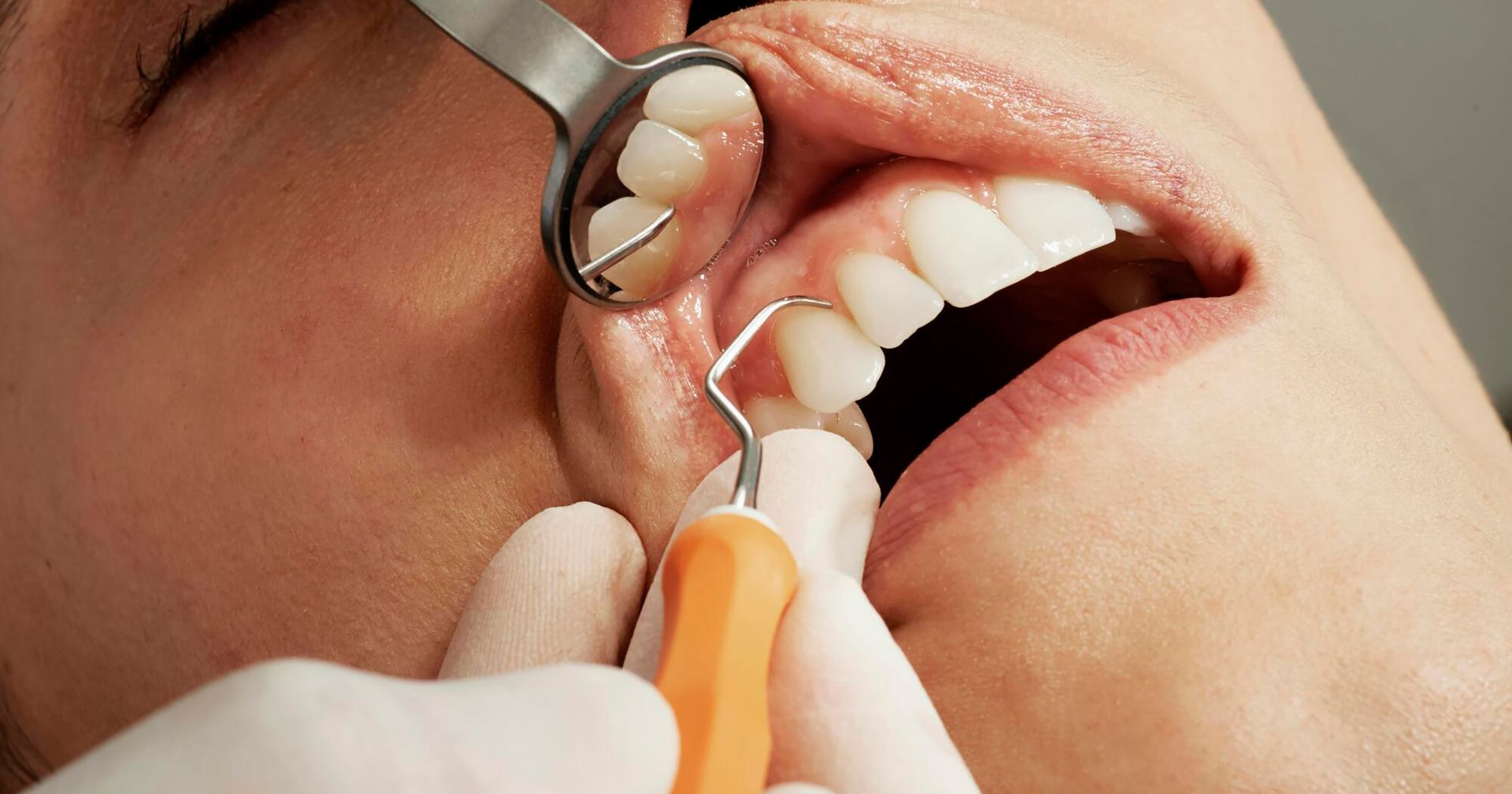
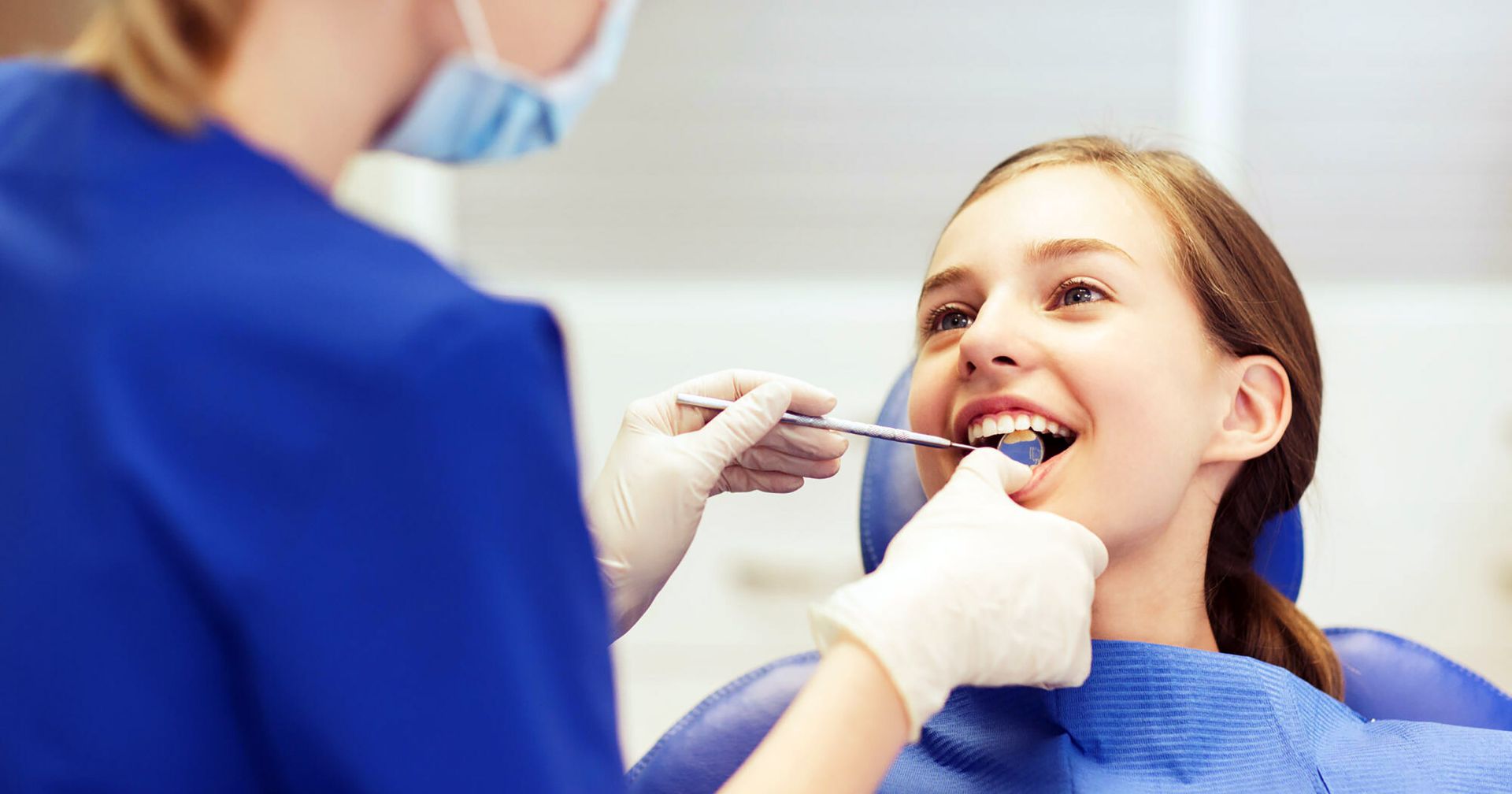
A knowledgeable dentist in Fayetteville, NC, can assess your dental health comprehensively and identify any micro-fractures that may be developing. They will likely conduct a detailed examination, which can include X-rays to evaluate the condition of your teeth and fillings. If micro-fractures are detected, early intervention can prevent further damage to your teeth and fillings.
Your dentist may recommend treatments such as:
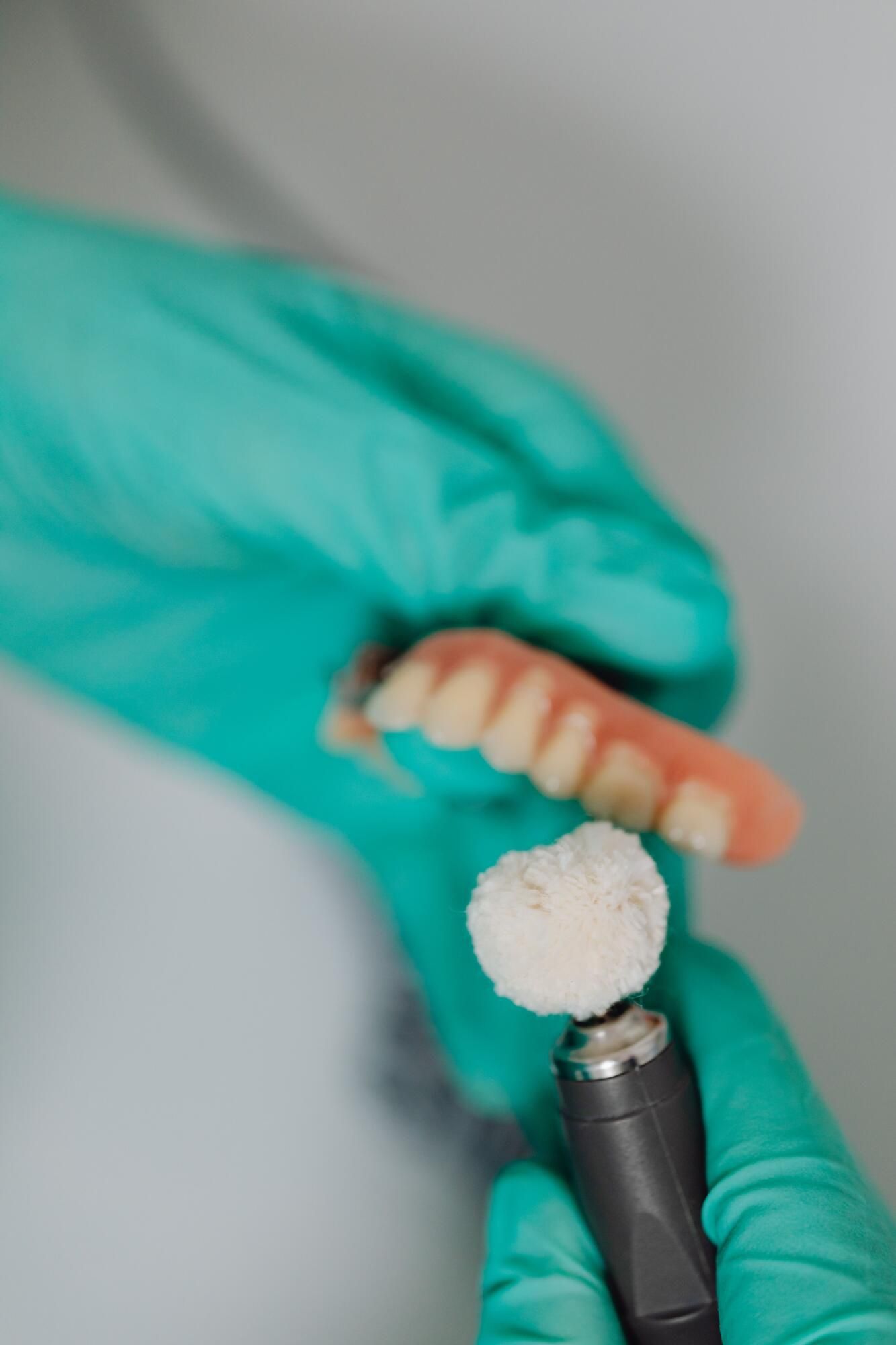
- Dental crowns or inlays to restore damaged teeth
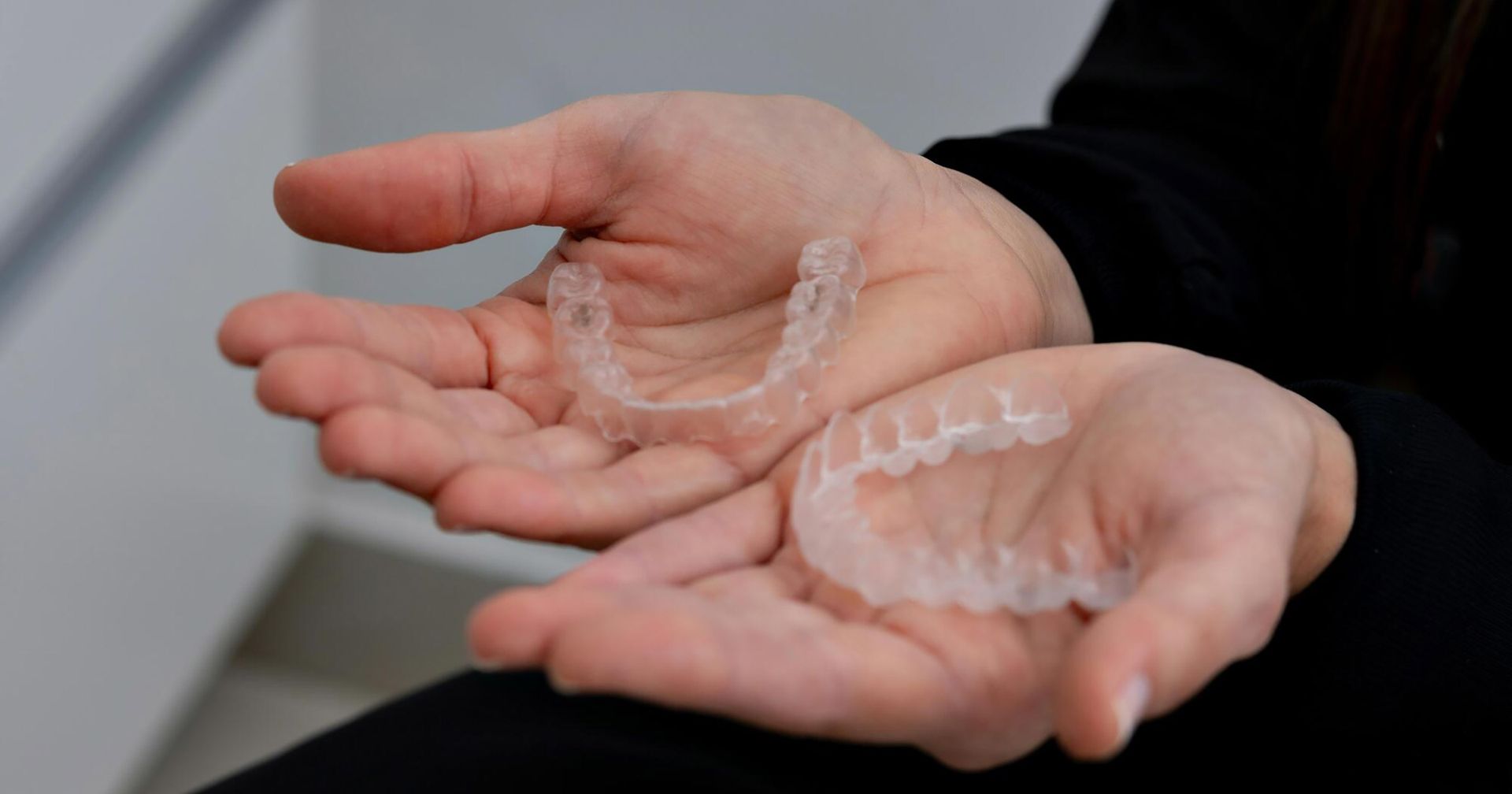
- Bruxism mouth guard fabrication with a custom-fitted appliance to protect your teeth while you sleep
- Behavioral strategies to manage stress-induced grinding
Depending on the extent of the damage, your treatment plan may include repairing a broken dental filling to restore the tooth and prevent further complications.
Protect Your Smile with A Local Dentist
If you have concerns about clenching or cracked fillings, a local dentist can evaluate your smile and recommend appropriate care.
Cross Creek Dental has proudly served Fayetteville families for years, providing personalized dental care at every stage of life. Led by Dr. Neko Webb and Dr. Tyler Fyfe, our gentle, friendly team takes the time to understand your goals and create care tailored to your needs. We are committed to helping you maintain a healthy, attractive smile for life, and every visit also helps support veterans in our community.
Get in touch today to find out how we can help with
your dental health.